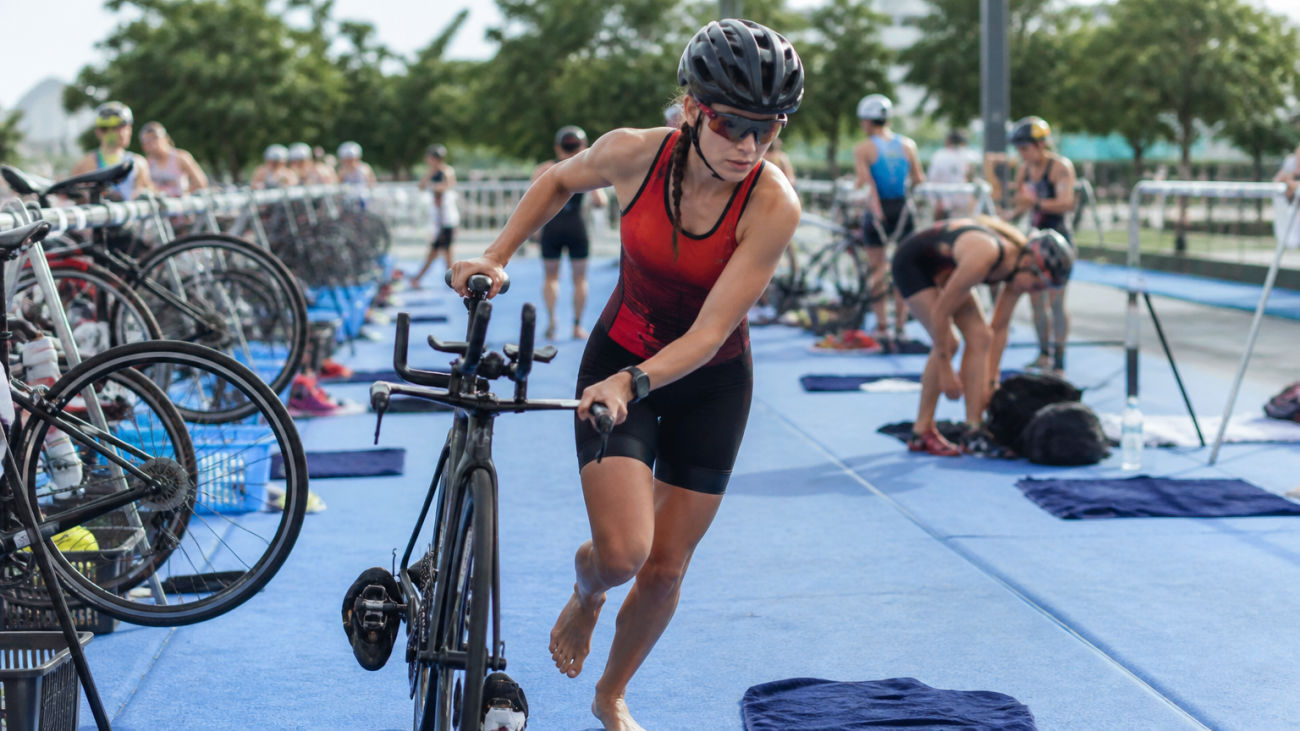
Race Day Expectations: Ironman Events Checklist
| Phase | Key Actions | Time Expectations | Penalty Triggers |
|---|---|---|---|
| Swim | 2.4-mile swim | Average: 1-2 hours | Wetsuit rules apply [1] |
| T1 | Rack bike, change gear | Average: 5-10 minutes | Helmet not fastened [2] |
| Bike | 112-mile bike ride | Average: 6-8 hours | Drafting violation [2] |
| T2 | Dismount bike, change shoes | Average: 3-5 minutes | Dismount line violation [2] |
| Run | 26.2-mile run | Average: 4-6 hours | N/A |
| Finish | Receive medal, recovery | Total: up to 17 hours | N/A |
What Is an IRONMAN Triathlon?
An IRONMAN triathlon is a premier endurance event that tests an athlete's physical and mental limits. The full-distance IRONMAN, known as IRONMAN 140.6, includes a 2.4-mile (3.8 km) swim, a 112-mile (180 km) bike ride, and a 26.2-mile (42.2 km) run, totalling 140.6 miles (226.3 km)[3]. In contrast, the IRONMAN 70.3, often referred to as a Half Ironman, consists of a 1.2-mile (1.9 km) swim, a 56-mile (90 km) bike, and a 13.1-mile (21.1 km) run, summing up to 70.3 miles (113.1 km)[3].
Origins and Branding
The term "IRONMAN" originated with the first Hawaiian Iron Man Triathlon held in 1978, which featured 15 participants completing the same distances as in current races[4]. The brand has since grown into a global phenomenon, known for its rigorous competition and community spirit.
Average Finish Times
Athletes have up to 17 hours to complete a full-distance IRONMAN event[4]. Analysis from 2002 to 2022 shows that men averaged 12.64 hours, while women averaged 13.53 hours in these races[5]. This data provides a benchmark for first-time and intermediate participants to set realistic expectations for their performance.
Key Features to Note
- Swimming: Most events employ a rolling start format, allowing athletes to enter the water in small groups based on their expected swim pace[6].
- Drafting Rules: Drafting is strictly prohibited during the biking segment, with a 12-metre draft zone enforced to maintain fair competition[2].
- Wetsuit Guidelines: Wetsuits can be worn in water temperatures up to 24.5 °C (76.1 °F); however, they are banned above 28.8 °C (83.8 °F)[1].
Understanding these elements is crucial for preparing effectively for an IRONMAN event, ensuring that athletes are ready for the challenges ahead. For those considering the IRONMAN 70.3, additional insights can be found in the Half Ironman Triathlon Training Plans.
IRONMAN Race Week Timeline and Key Terms
Familiarising yourself with key terms and the race week timeline is essential for a smooth race day experience. Here’s a breakdown of what to expect.
Registration and Packet Pickup
Registration typically occurs 1–2 days before race day. Athletes must complete their registration to receive their race packet, which includes race bibs and timing chips. Packet pickup is mandatory and often takes place at the event expo, where athletes can also find merchandise and nutrition products.
Athlete Briefing
An athlete briefing is scheduled before the race, usually the day prior. This meeting covers crucial information such as race rules, course details, and safety protocols. Attendance is often mandatory, ensuring that all participants understand what to expect on race day.
Body Marking
Body marking is a practice where athletes have their race numbers marked on their arms and legs. This helps officials identify participants during the race. This process usually happens at the same time as packet pickup.
Transition Areas (T1/T2)
Transition areas are designated spots where athletes switch between the swim, bike, and run segments.
- T1: After the swim, athletes rack their bikes and change into cycling gear. It’s essential to have your helmet fastened before removing the bike from the rack; failure to do so can lead to penalties[2].
- T2: In this area, athletes dismount from their bikes and change into running shoes. Dismounting before the designated line is crucial to avoid time penalties[2].
Swim Start Types
IRONMAN events generally feature different swim start formats:
- Wave Start: Athletes enter the water in groups, based on their projected swim pace. This method helps reduce congestion.
- Rolling Start: Similar to the wave start but allows athletes to enter the water in smaller groups, promoting a smoother experience.
- Mass Start: Used in championship events, where all athletes start simultaneously.
Cut-off Times
Each segment of the race has cut-off times to ensure safety and event flow. For example, in full-distance IRONMAN events, athletes must complete the swim portion within 2 hours and 20 minutes, with a total race time limit of 17 hours[4]. Specific cut-off times can vary by event; for instance, the IRONMAN Texas has similar time constraints.
Understanding these terms and timelines prepares athletes for race week and helps in managing expectations effectively.
Morning of Race Day: What to Expect Before the Swim
Arriving on race day typically begins pre-dawn, often around 4 AM for a race start time of 6:30 AM. This early arrival allows athletes to prepare without feeling rushed. The transition area opens around 4:30 AM, giving ample time to set up gear and ensure everything is in place.
Transition Setup Process
Transition setup is crucial. Athletes should have their gear organised for easy access. This includes:
- Wetsuit: Ensure it meets the wetsuit legal temperature, which is up to 24.5 °C (76.1 °F) for age-group athletes[1].
- Bike Racking: Each athlete must rack their bike in the designated spot, usually marked by their race number. It’s important to remember the location to avoid confusion later.
- Nutrition Drop: Many athletes prepare a special needs bag with nutrition and hydration to be accessed during the race, often located at designated aid stations.
Typical Schedule
A typical race day schedule might look like this:
- 4:00 AM: Arrive at the venue. Check the weather and water temperature to confirm wetsuit legality.
- 4:30 AM: Transition area opens. Begin setting up your bike and gear.
- 5:15 AM: Body marking takes place, with numbers applied to arms and legs for identification.
- 5:30 AM: Final gear check. Ensure nutrition and hydration are in place.
- 5:45 AM: Attend the pre-race briefing, if required, to go over last-minute details.
- 6:00 AM: Head to the swim start area. This is typically when athletes begin to line up for the rolling start, seeded by swim pace[6].
Following this schedule helps reduce stress and allows for a smoother transition into race mode. Remember, these times can vary slightly based on the specific event. For example, IRONMAN events like Texas and Florida may have similar schedules but always check the event-specific guidelines for any nuances[7].
Preparing thoroughly on race morning sets the tone for a successful day ahead.
The Swim Leg: Course, Rules, and Common Terms
The swim leg of an IRONMAN triathlon is a critical component that sets the stage for the entire race. For a full-distance IRONMAN, athletes are required to swim 2.4 miles (3.8 km)[3]. In contrast, the IRONMAN 70.3 features a shorter swim of 1.2 miles (1.9 km)[3]. Understanding the course, rules, and common terminology is essential for success.
Mass Starts and Swim Format
Most IRONMAN events utilise a rolling start format, allowing athletes to enter the water in small groups based on their expected swim pace[6]. This approach reduces congestion and enhances safety. However, some championship events may employ a mass start, where all athletes begin simultaneously after the professionals.
Swim Course and Buoys
During the swim, athletes must navigate a course marked by buoys. These buoys indicate the path, and it’s crucial to sight them accurately to stay on course. Sighting is the technique used to periodically lift the head out of the water to locate these buoys. Practising this skill in training can make a significant difference in race performance.
Drafting Rules
Drafting is a term often associated with the bike leg, but it's pertinent to mention that during the swim, athletes are permitted to draft off one another. This means that swimmers can position themselves close behind another athlete to conserve energy. However, this tactic requires careful navigation to avoid collisions.
Swim Cut-offs
Time cut-offs are enforced to ensure athlete safety and event integrity. For full-distance IRONMAN events, the swim cut-off is set at 2 hours and 20 minutes[4]. In the IRONMAN 70.3, athletes have 1 hour and 10 minutes to complete the swim[3]. Failing to meet these cut-off times may result in disqualification from the race.
Wetsuit Policy and Water Temperature
Wetsuits are generally permitted in water temperatures up to 24.5 °C (76.1 °F); above 28.8 °C (83.8 °F), wetsuits are prohibited[1]. Athletes should check the water temperature prior to the race to ensure compliance with these regulations. Wearing a wetsuit can provide buoyancy and warmth, which are beneficial during the swim.
Safety Measures
Safety kayaks are deployed throughout the swim course. These kayakers monitor athletes and are ready to assist anyone in distress. It’s advisable to remain calm and signal for help if needed. Knowing that support is available can ease anxiety before the race.
Average Swim Splits
In terms of performance, average swim splits vary. For male participants in full IRONMAN events, the average completion time is around 1 hour and 15 minutes, while females average approximately 1 hour and 30 minutes[5]. These benchmarks can help first-time and intermediate triathletes set realistic goals for their swim leg.
Understanding these aspects of the swim leg prepares athletes for the challenges they will face on race day. With proper training and knowledge, participants can approach this critical segment with confidence.
Transition 1 (T1): From Swim to Bike
Transition 1 (T1) is a pivotal moment in an IRONMAN race, marking the shift from the swim to the bike segment. Athletes can expect to spend between 3 to 8 minutes in T1, depending on their preparation and efficiency.
Step-by-Step Flow
Exiting the Water: After finishing the swim, athletes will remove their wetsuits as they make their way to the transition area. It’s advisable to practice this during training to reduce time spent in T1.
Racking the Bike: Upon reaching the transition area, the first task is to rack the bike in the designated spot. Each athlete has a numbered location, which should be memorised during pre-race setup.
Changing Gear: Athletes must change into their cycling kit. Ensure that bike shoes are easily accessible. It’s efficient to have them prepped and laid out in the transition area.
Helmet Rules: Before removing the bike from the rack, the helmet must be securely fastened. Failure to comply with this rule can lead to penalties[2].
Flying Mount: Once the helmet is on, athletes can perform a flying mount, which involves getting on the bike while it’s moving. This technique saves time but requires practice to execute safely.
Common Mistakes
- Wetsuit Removal: Taking too long to remove the wetsuit can delay the transition. Practice this skill to ensure a swift exit from the water.
- Helmet Not Fastened: Forgetting to fasten the helmet before taking the bike can result in disqualification.
- Disorganised Gear: A cluttered transition area can lead to confusion and wasted time. Preparation is key.
Examples from Races
In prestigious events like the Ironman World Championship in Kona, elite athletes often complete T1 in under 4 minutes, showcasing the importance of practice and efficiency. Regional races may show a wider range of transition times, but the principles remain the same.
By understanding the T1 process and common pitfalls, athletes can optimise their transition and maintain momentum into the bike portion of the race. Proper preparation during training can significantly enhance performance on race day. For additional insights into transitions, see Top Tips for Transitioning in Triathlons.
The Bike Leg: What Happens on Course
The bike leg of an IRONMAN is a significant component, covering 112 miles (180 km) in the full-distance event[3]. Understanding the rules and logistics helps athletes navigate this critical segment effectively.
Drafting Rules
Drafting is prohibited during the bike leg. Athletes must maintain a 12-metre draft zone, measured from the leading edge of the front wheel. You have a maximum of 25 seconds to complete a pass. Violating these rules results in a 3-minute time penalty, indicated by a blue card[2]. This is crucial to ensure fair competition and safety on the course.
Aid Stations and Special Needs Bags
Aid stations are located approximately every 10 miles along the bike route. They provide water, sports drinks, and nutrition options. Athletes should practice their nutrition strategy during training to identify what works best for them.
Special needs bags can be accessed at designated points, typically around the halfway mark. These bags allow athletes to replenish their nutrition or pick up personal items. It's essential to label these bags clearly and check the specific event guidelines for location and contents.
Bike Course Cut-off
For full-distance IRONMAN events, athletes must complete the bike leg within 8 hours and 30 minutes[4]. This time frame ensures that participants remain within the overall 17-hour race limit. Athletes should monitor their pace to avoid exceeding these cut-off times.
Elevation Examples
The bike course often features varying elevation profiles. For example, the IRONMAN Lake Placid has significant climbs, with an elevation gain of over 5,000 feet. Conversely, the IRONMAN Florida course is known for being relatively flat, making it faster for some athletes. Understanding the elevation can help athletes prepare physically and mentally for the demands of the course.
Mechanical Terms
Mechanical issues can arise during the bike leg. Knowing how to handle basic bike repairs is essential. Common terms include:
- Flat Repair: Athletes should be prepared to fix a flat tyre. Practice changing a tube during training can save time on race day.
- Gear Ratios: Understanding gear ratios helps athletes optimise their performance across varied terrain. Using lower gears on climbs can conserve energy.
Penalties Explained
Penalties in IRONMAN events can occur for various infractions, including drafting violations and improper use of aid stations. Familiarising yourself with the competition rules can prevent unnecessary penalties and ensure a smoother race experience[2].
Being informed about these aspects of the bike leg prepares athletes for a successful experience on race day. This knowledge allows for better decision-making and enhances overall performance.
Transition 2 (T2): From Bike to Run
Transition 2 (T2) marks the crucial shift from the bike to the run segment of an IRONMAN. Athletes can expect to spend an average of 3 to 5 minutes in T2, depending on their efficiency and preparation.
Dismount Line and Timing Mat
As you approach the transition area, pay attention to the dismount line, where you must safely get off your bike. Failure to dismount before this line can lead to a time penalty[2]. After dismounting, run your bike to the designated racking area. Once you rack your bike, cross the timing mat to officially start the run segment.
Drop Bag Usage
Many athletes use drop bags for T2, which contain essential running gear. These bags are typically provided during packet pickup and should be clearly labelled. Common items to include are running shoes, race belts, and additional nutrition. Properly utilising drop bags can save time and ensure you have everything you need at hand.
Average T2 Times
Based on analysis, T2 times can vary widely among athletes. While elite competitors may complete T2 in under 3 minutes, many age-group athletes average around 5 minutes, depending on their organisation and readiness[5].
Glossary of Run Gear
Understanding your run gear is essential for a smooth transition. Here’s a quick glossary:
- Run Shoes: Choose lightweight, comfortable shoes that you’ve trained in. Ensure they are ready to slip on quickly.
- Race Belt: This handy accessory holds your race number, allowing for easy visibility during the run. Attach it before leaving T2.
- Socks: Consider wearing moisture-wicking socks to prevent blisters. Some athletes opt to go sockless if they have trained without them.
What Volunteers Provide
Volunteers play a vital role during T2, assisting with bike racking and providing support. They can help you locate your drop bag and offer encouragement as you transition. This support can help alleviate some stress during the busy T2 period.
Optimising your T2 experience can significantly impact your overall race time. Practising transitions during training can help streamline the process, allowing for a more efficient switch from bike to run.
The Run Leg and Finish Chute Experience
The run leg of an IRONMAN event is a crucial segment, covering 26.2 miles (42.2 km) for full-distance races[3]. Athletes have up to 17 hours to complete the entire race, including the run[4]. This leg demands both physical endurance and mental fortitude, especially as fatigue sets in after the swim and bike segments.
Aid Station Offerings
Aid stations on the run course are typically located every mile. They provide water, sports drinks, energy gels, and sometimes solid food options like bananas or pretzels. It’s vital to practice your nutrition strategy during training to determine what works best for your body. For example, consuming an energy gel every 45 minutes can help maintain energy levels, but this is effective only if you’ve trained with these products before race day.
Marathon Split and Cut-off Times
During the run, athletes often monitor their marathon split, which is the time taken to complete the first 13.1 miles (21.1 km). This split can help gauge overall pacing. Keep in mind that the cut-off time for the entire race is 17 hours, meaning you should pace yourself accordingly to avoid disqualification.
Crowd Support
Crowd support can significantly enhance the race experience. Spectators often line the run course, providing cheers, music, and motivation. This energy can boost morale, especially in the latter stages of the race when fatigue is at its peak. Engaging with the crowd, such as giving high-fives or acknowledging their cheers, can provide a much-needed psychological lift.
The Finish Chute Experience
As athletes approach the finish line, they enter the iconic finish chute, which is often filled with excitement and anticipation. The atmosphere is electric, with music playing and an announcer calling out names as each athlete crosses the finish line. This moment is a culmination of months of training and dedication.
For instance, at the IRONMAN World Championship in Kona, the finish chute is adorned with a red carpet, making the experience even more memorable. Athletes are greeted with their finisher medal, towel, and a recovery area that includes food and hydration options[8]. This celebratory atmosphere marks the end of a challenging journey and is often a highlight for many participants.
Understanding the dynamics of the run leg and finish chute prepares athletes for what to expect on race day. By strategising nutrition and embracing crowd support, participants can enhance their overall experience and performance during this critical segment.
Post-Finish: Recovery Area and Logistics
After crossing the finish line at an IRONMAN event, the experience is far from over. Athletes enter the recovery area, which plays a vital role in post-race logistics and recovery.
Immediate Post-Finish Experience
Upon finishing, participants receive a finisher medal, towel, and often a shirt or hat. This recognition of achievement is significant after completing the demanding full-distance IRONMAN, which consists of a 2.4-mile (3.8 km) swim, 112-mile (180 km) bike, and 26.2-mile (42.2 km) run, totalling 140.6 miles (226.3 km)[3]. The atmosphere is celebratory, but it's essential to focus on recovery.
Recovery Area Features
The recovery area typically provides food, hydration, and medical support. Athletes should take advantage of the available nutrition to replenish energy stores. Hydration is crucial, so drinking water and sports drinks is recommended. If you feel any concerning symptoms, such as dizziness or an inability to stay warm, visiting the medical tent is imperative[8].
Massage Tents and Medical Support
Massage tents may also be available, offering post-race massages to aid recovery. These services can help alleviate muscle soreness and stiffness. It’s advisable to queue for a massage if you feel tightness or discomfort after the race.
Bike and Gear Retrieval
Retrieving your bike and gear is another important step. Typically, a designated area is set up where athletes can collect their bicycles and personal items. Ensure you have your gear bags labelled clearly for easy identification.
Timing Results and Photos
Results timing is often available shortly after finishing, with splits posted in the recovery area. Athletes can check their performance metrics and reflect on their race strategy. Additionally, official race photos are usually taken during the finish, and you can find these online post-event.
Preparation Tips
To streamline your post-finish experience, consider these preparations:
- Know the Layout: Familiarise yourself with the recovery area layout during the athlete briefing. Understanding where food, medical support, and bike retrieval are located can save time.
- Pack Essentials: Bring a small bag with recovery items like snacks, a change of clothes, and a reusable water bottle.
- Plan for Post-Race: Have arrangements for transportation and a place to rest after the event. This will help you transition smoothly from race day to recovery.
By understanding the logistics and facilities available post-finish, athletes can ensure a more effective recovery and enjoy the celebration of their accomplishments.
Conclusions
- Prepare for strict cut-off times by monitoring pace throughout the bike and run legs; exceeding the 8-hour-30-minute bike limit risks missing the overall 17-hour race deadline.
- Study the specific course elevation in advance, as climbs over 5,000 feet demand different energy management than flat routes.
- Practise basic mechanical repairs such as flat tyre changes and gear-ratio selection so you lose minimal time when issues arise.
- Rehearse T2 actions including safe dismount, quick rack, and drop-bag use to keep transitions under five minutes.
- Plan immediate recovery steps like hydration, medical checks, and gear retrieval to protect your body after 140.6 miles.
Start building your race-specific schedule today with the right plan from our Triathlon Training Schedules: Finding Your Perfect Fit.
Still wondering?
What are the events for an IRONMAN?
A full IRONMAN consists of a 2.4-mile swim, 112-mile bike and 26.2-mile run. This totals 140.6 miles and gives the reader the exact distances to train against[3]. The sequence never changes so the reader can plan each segment in order.
What does a 70.3 IRONMAN mean?
An IRONMAN 70.3 covers half the full distance with a 1.2-mile swim, 56-mile bike and 13.1-mile run. The total equals 70.3 miles and serves as the ideal stepping stone before tackling the full event[3]. Many first-timers choose this format because the cut-off times feel less intimidating.
How long does a full IRONMAN usually take?
Age-group men finish a full IRONMAN in 12.64 hours on average while women average 13.53 hours. Every athlete receives 17 hours to complete the course before official cut-off[4][5]. The reader should use these figures to set realistic split goals during training.
What triathlons are happening in the USA in 2026?
Nine full-distance IRONMAN races take place across the USA in 2026. Confirmed dates include IRONMAN Texas on 18 April in The Woodlands, IRONMAN Lake Placid on 19 July, IRONMAN Wisconsin on 13 September and IRONMAN Florida on 31 October in Panama City Beach[7]. The reader can now block these weekends and begin booking travel.
What should I expect at athlete check-in and transition on race morning?
Athlete check-in and packet pickup happen one or two days before the race while bike check-in occurs the day before. Transition areas open between 4:30 and 5:00 AM for a typical 6:30 to 7:00 AM start[9]. Arrive early because lines form quickly and the reader needs calm minutes to set up gear.
How do the new 2026 rules affect drafting and wetsuit use?
Age-group athletes must keep a 12-metre draft zone on the bike and complete a pass within 25 seconds or face a three-minute penalty[2]. Wetsuits remain allowed up to 24.5 °C water temperature but become forbidden above 28.8 °C where only textile swimwear is permitted[1]. These limits shape equipment choices the reader must test in local open-water sessions.
What happens immediately after I cross the finish line?
Volunteers hand the reader a medal, finisher towel, shirt, hat and patch right at the line. The recovery area then supplies food, drinks, medical checks and gear retrieval[8]. If dizziness or chills appear the reader must head straight to the medical tent instead of celebrating.
Sources consulted
- 1
- 2026 IRONMAN Competition Rules
- 2
- Competition Rules | IRONMAN
- 3
- IRONMAN Distances Explained: How To Pick Your Perfect Race
- 4
- What is IRONMAN and why it defines endurance racing
- 5
- Europe has the fastest Ironman race courses and the fastest Ironman age group triathletes
- 6
- Triathlon Glossary: Learn Swimming Terms | IRONMAN
- 7
- IRONMAN releases full 2026 event schedule for the USA and Canada
- 8
- You Are An IRONMAN! What To Do After The Finish Line
- 9
- Complete Guide to IRONMAN Race Week: Navigate Athlete Check-in, Transition, and More